A rechargeable juicer and smoothie maker makes it easier to blend fruits, soft vegetables, and shake-style drinks without being tied to a countertop outlet. It’s a practical way to keep up with smoothies at work, in a dorm, on weekend errands, or while traveling. Below are realistic expectations for portable blending, the small prep steps that deliver smoother results, cleaning habits that keep flavors fresh, and portable-friendly recipes that fit everyday routines.
What a rechargeable juicer & smoothie maker is best for
- Quick single-serve smoothies, protein shakes, and fruit blends for commuting, office, dorms, and travel
- Blending soft fruits (banana, berries, mango), yogurt, milk, and liquid bases into drinkable textures
- Light prep tasks like mixing powdered supplements, baby-food-style purées, and simple sauces (when ingredients are soft)
- Not ideal for dense frozen blocks, large ice cubes, or fibrous produce unless cut small and blended with enough liquid
Key benefits for daily routines
- Cord-free convenience: rechargeable power supports use in places without an outlet
- Portable footprint: compact size fits in many bags and small kitchens
- Faster cleanup: fewer parts and smaller blending volume can reduce time spent washing
- Helps reduce waste: use ripe fruit before it spoils and turn leftover fruit into drinks
How to get smoother blends every time
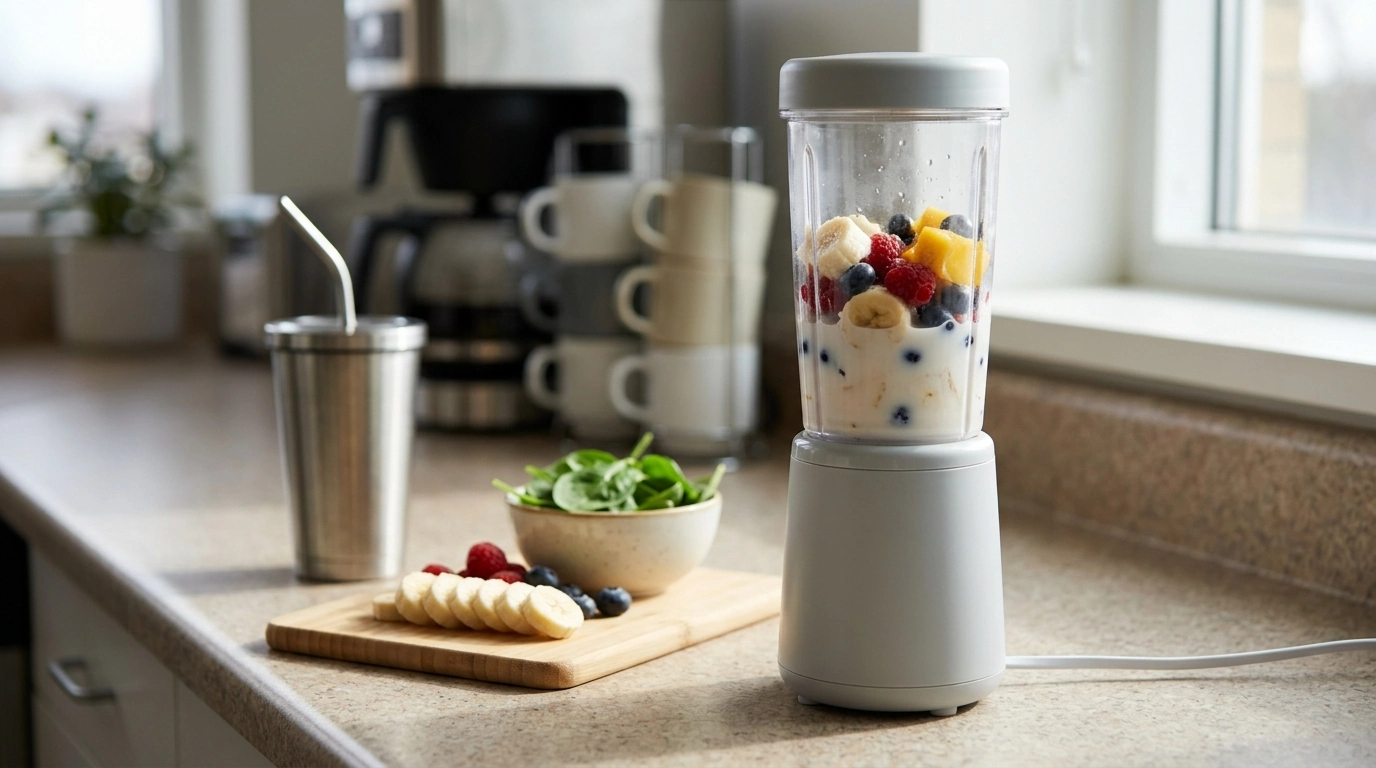
- Start with liquids first (water, milk, juice) to help blades circulate ingredients.
- Cut fruit into small chunks; peel and remove hard pits/seeds to protect blades.
- Layer smartly: soft items near blades and heavier items on top; avoid overfilling.
- Pulse, then blend: short bursts help break up pieces before continuous blending; pause to shake/swirl if circulation stalls.
- For colder drinks, use small ice pieces or partially thawed frozen fruit and add extra liquid.
Ingredient prep guide
Portable blenders do best when ingredients are prepped for quick circulation. Think “small, soft, and hydrated.” If you want greens, spinach usually blends smoother than kale. For powders and sticky add-ins, timing matters—adding them gradually can prevent clumps and help the motor keep moving.
Quick guide to blending common ingredients
| Ingredient |
Prep |
Liquid needed |
Notes for smoother texture |
| Banana |
Slice into coins |
Low |
Adds creaminess; pairs well with yogurt |
| Berries (fresh/frozen) |
Rinse; thaw slightly if frozen |
Medium |
Frozen berries blend smoother when partially thawed |
| Spinach |
Remove thick stems |
Medium |
Blend with liquid first to reduce leaf bits |
| Ice |
Use small chips/pieces |
High |
Too much ice can stall blending; add slowly |
| Protein powder |
Add last |
Medium |
Pulse to prevent clumps; scrape sides if needed |
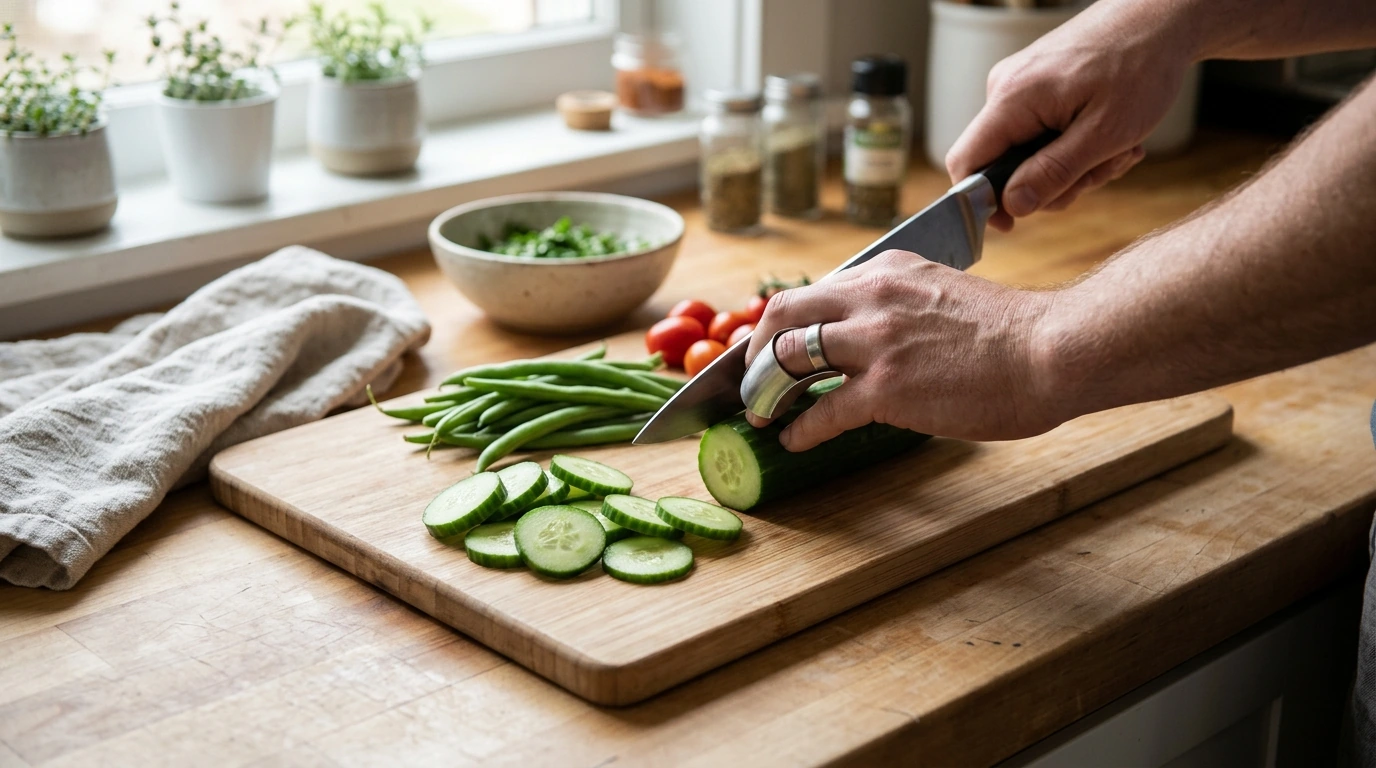
For prep, a sturdy cutting surface helps keep portions consistent. The Thick Bamboo Wood Cutting Board – Double-Sided, Rectangular, Durable & Eco-Friendly is an easy add-on for slicing fruit into blender-friendly pieces.
Charging, battery care, and safety basics
- Charge fully before first use and recharge when performance drops.
- Keep charging ports dry; wipe the exterior before plugging in.
- Do not run continuously for long periods; use short cycles to avoid overheating.
- Let the motor rest between batches when making multiple drinks.
- Store with the lid secured and the container clean and dry to prevent odors.
For broader home sanitation guidance around food-contact surfaces, reference the USDA Food Safety and Inspection Service cleaning basics and the FDA’s home food handling and sanitation recommendations.
Cleaning and maintenance (fast routine)
- Rinse immediately after use to prevent pulp and protein residue from sticking.
- Add warm water and a drop of dish soap, then run a brief blend cycle to loosen residue.
- Rinse thoroughly and air-dry all removable parts.
- Use a soft brush for blade areas; avoid abrasive pads that can scratch surfaces.
- Deep-clean weekly if used daily: soak removable parts (not motor base) in warm soapy water and rinse well.
If cookware upkeep is also part of the routine, The Ultimate Ceramic Cookware Care Checklist is a handy reference for storage, cleaning habits, and longevity tips for ceramic pans.
Recipe ideas sized for a portable blender
- Creamy berry yogurt: berries + banana + yogurt + splash of milk; blend until smooth.
- Tropical refresher: mango + pineapple + orange juice; add ice chips for a slush texture.
- Green starter: spinach + banana + apple juice (or water) + lemon; blend in stages.
- Chocolate protein shake: milk + cocoa + protein powder + banana; pulse to prevent clumps.
- Oat smoothie: quick oats + milk + banana + cinnamon; let sit 2 minutes, then blend again.
For thicker blends (like oats or nut butter add-ins), aim for a looser pourable base at first. You can always blend again after a short rest, but starting too thick is the fastest way to stall a portable motor.
When a portable model is the right choice (and when it isn’t)
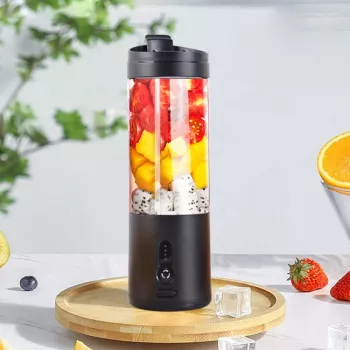
The Rechargeable Electric Fruit Juicer & Smoothie Maker is designed for quick, fruit-based drinks and simple smoothies in single-serve portions—without needing a wall outlet during use. It’s a practical option for routines like post-workout shakes, desk lunches, and weekend errands. For the most consistent blending, use soft fruits, chop ingredients small, and include enough liquid to keep everything moving.
FAQ
Can a rechargeable smoothie maker blend ice and frozen fruit?
Yes—small ice pieces and partially thawed frozen fruit are the easiest. Use enough liquid, keep chunks small, and blend in short pulses so the mixture circulates without stalling.
How long does it take to clean a portable juicer and smoothie maker?
A quick rinse plus a short blend with warm soapy water usually takes just a few minutes. If you use it daily, a weekly deep-clean helps prevent odors and residue buildup.
Why does the blender stop or struggle while blending?
Common causes include overfilling, too little liquid, large frozen chunks, or a mixture that’s too thick. Reduce the load, add more liquid, and use short pulses with brief rests to let the motor recover.
Recommended for you





Leave a comment